
Michael Jackson’s child sexual abuse allegations were not featured in the late King of Pop’s biopic. Director Antoine Fuqua has revealed why.
Michael Jackson’s child sexual abuse allegations were scrapped from the biopic amid legal concerns.
Cutting the Film Short
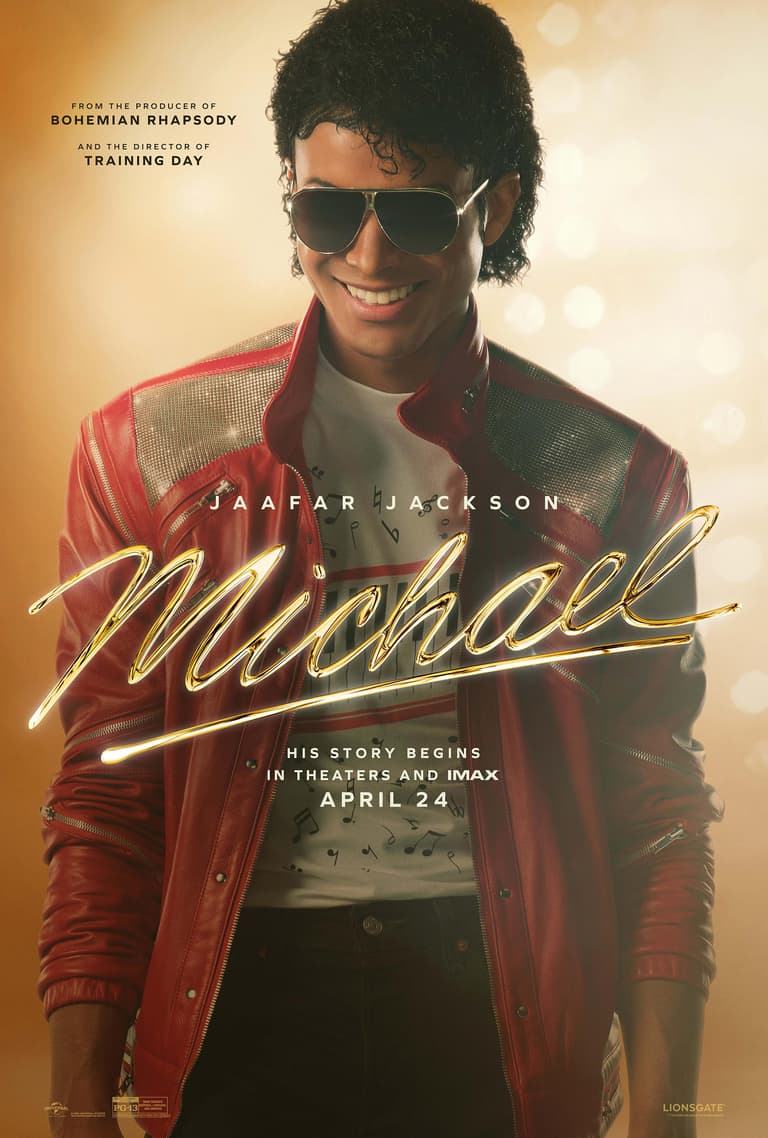
Michael charts the King of Pop’s rise to global stardom as a member of The Jackson 5 and then his solo career.
But the film ends in 1988, five years before the Thriller hitmaker – who died in June 2009 aged 50 – faced a probe by the Los Angeles Police Department amid allegations of child sexual abuse against then-13-year-old Jordan Chandler.
Jackson had no charges made against him and denied the allegations. He reached an out-of-court settlement with Chandler and his parents after the family filed a lawsuit against the singer.
An original cut of Michael covered the scandal in the third act. It was removed after producers reportedly found a clause in a settlement the Chandlers reached with the Jackson estate that banned dramatisation of the family in commercial projects.
And the removal of allegations against Jackson caused concern in the minds of director Antoine Fuqua and the studio bosses.
Rethinking the Ending
Antoine told Deadline: “It definitely did for a while, because we had to rethink everything. That was a tough period. Graham, [screenwriter] John Logan, and I banged our heads around. We had a lot of meetings.
“But we clicked into it at the same time: The movie is called Michael, so you have to focus on Michael. Unless you can truly take your time, let’s go back to the beginning and really show people who he was on the stage. He’s a superhero on the stage.”
An extra 22 days of filming occurred in June 2025. Antoine said that a third of the footage could “absolutely” make its way into a possible sequel. It would delve more into the 13-time Grammy award winner’s life, including the different accusations.
He added: “Just like a human being, movies have the power of empathy to just say this is a human being. No one is perfect.
Portraying Michael
“It was important to take the audience through a process of how do you get to wherever it’s going to go in a second movie; for people to get a bigger idea of his personality and what shaped him.
“What we realised, if you start there, some people who don’t know Michael, it’s out of context. His arc was so extreme. It was important for us to go back and give them a journey to go on with Michael.
“There was also a certain amount of abuse he was always dealing with emotionally and physically in that household with his father. If you don’t do that, you won’t understand him and where the story goes.
“We planted the seeds: He starts talking to John Branca about the pills, ‘These pills are making me sleepy, and the doctor is saying you gotta take these pills’; that’s what killed him.
“So, it was set up along the way that these are the things that led to wherever it’s going to go, which we all know. That’s part of the tension you feel, because you know it didn’t end well, unfortunately.”
Other Film Material Cut
Other filmed material was cut from Michael – played by the Billie Jean star’s 29-year-old nephew, Jaafar Jackson.
Antoine shared: “We went pretty far. We went through the Jordan allegations we couldn’t use. We went farther than that. Maybe a year or two after that (1995), when things turned against Michael.”
The People v. Jackson trial began in Santa Maria, California, on January 31, 2005. He was acquitted of child molestation charges by a jury in June that year.
Post Jackson’s death, James Safechuck and Wade Robson – the latter of whom testified for the defense in the 2005 trial that Jackson never abused him, and Safechuck told authorities the same – alleged that Jackson sexually abused them as children.